
Start Writing A Novel
Getting your a story filming in head on to a page seems impossible, but here will explain how easy that can be. The solution isn’t an innate skill alone and requires a grasp of the processes and discipline, along with the desire to begin.

This guide is designed to aid you in understanding how to write novels by offering the basics of a well-organized and clear guidelines for authors trying to learn how.
1. Solidify Your Core Idea
Each story starts with an idea however, it’s not enough. Consider: What is the story’s premise? Do you want justice? A journey of passion or a thrilling hunt to find justice? Your idea should be an encapsulation of just one sentence about your concept which is also referred to as logline.
For example: “A young hobbit must destroy a powerful ring in the land of its creation to save Middle-earth.” This becomes your North Star.
2. Develop Compelling Characters

The reader is drawn to characters, not only stories. Your protagonist must have clear intentions, goals as well as flaws that allow them to be easy to relate to. Make sure you include your adversaries. An intriguing villain could play the role of the hero in their side of the story. Learn the background of your characters by making Pinterest mood board or where do they feel more safe. These questions can help find out your character more .
3. Craft Your Plot Structure
Structures are the basis of your story. The most popular and efficient design is The Three-Act Structure:
- Act I: The setup introduces the main character as well as their everyday world and also the “inciting incident” that thrusts them into the central story’s central.
- Act II: In confrontation, the main character is confronted with ever-growing obstacles and difficulties that eventually leads to the “midpoint” turning point and a “dark night of the soul” in which everything seems to be in vain.
- Act III: The resolution, narrative is pushed to its conclusion, when the principal tension is fully confronted, then a resolution connects the primary storylines.
4. Define Your Setting and World
The setting is importent to the story, becuase if you’ve read Lord of flis, they were stuck on island. That setting showed how much they were limted to do, thus resulted feel sense stuckness. Or another example Harry potter Hogwarts, it showed us the world building of system.
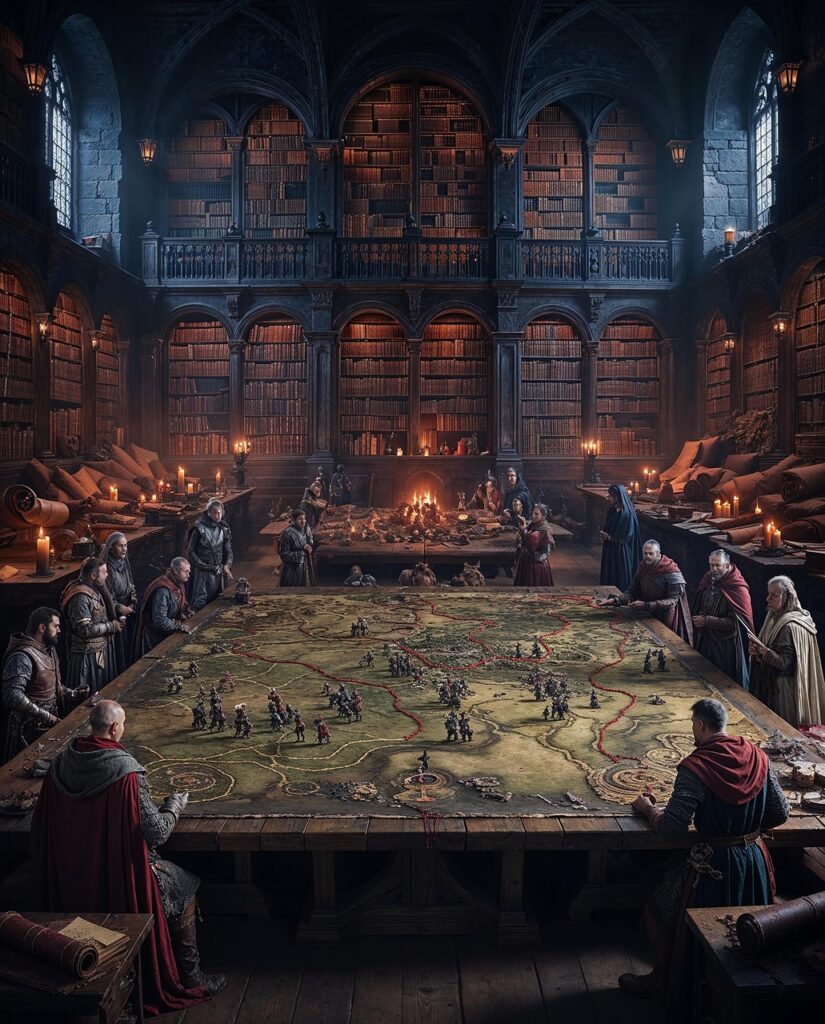
When world building you can take simple side and example the scenes setting, like the weather or the aboned building. You can also go detiled on every each item to the celling and icing on the cake. Setting also sets the pace, for inctint, when story is pacing fast, you’d discribe less detiled and when pacing is slow as in dramitc or eerir, you’d have a long discribtion.
A characters manner can also change becuase of setting and make reader understand more your characters. For example if one lived mansion, but moved to a small poor town, that be epicted to the character, or if charater was the oppsite, moving from small town to a mansion, would they be well behaved on the ange, or perhappes they would be relxed and exited.
1. Embrace the “Messy First Draft”
Allow yourself to be unprofessional in writing. Your goal for the initial draft isn’t perfection, it’s just being there. The goal is to put the idea from your mind on paper, starting with Chapter One up to “The End.” Don’t go back repeatedly to amend Chapter One. Notes are left for you (Fix this later, Note this later) and continue moving ahead.
2. Establish a Consistent Writing Habit

Writing a novel isn’t a sprint race on who’s the fasts, but moreover a marathon on being consistent. Don’t be too harsh on yourself, but give self a realistic goal how many words want get out in a day. It can be to 2k words to 500 words or else depending on preference. As long get a word out daily, your nearing the word goal.
3. Navigate the “Saggy Middle”
Act II is often where motivation decreases. If you’re at a crossroads and your people aren’t driven, it is best to return back to your purpose.
Create a new challenge or a surprising twist or perhaps present characters with a different perspective to speed up the pace of the plot.
1. Take a Strategic Break:

Distance can be your best friend. You should set the story aside for a minimum period of 1 to 2 weeks. It will let you go back to the manuscript using a fresh and objective perspective which will allow you to identify plot flaws as well as pacing problems and awkward prose.
2. Structural Editing
When editing our book, focus on the plot first and than after words consider editing the grammar.
- Does the storyline flow well and is it convincing?
- Does the arc of characters alter?
- Are the sections pacing well? Do you have sections that are slow or rushed?
- Does the structure of the story hold up?
This stage can be quite extensive, requiring editing, revising chapter sections, or even cutting chapters completely.
3. The Micro Edit (Line Editing and Proofreading):
After the structure has been established then you should shift your focus towards the language. Edit bet by bet and make more clearer understand to the reader. Remove cliches, improve the flow of the flow of your dialogue and make sure that your prose is enthralling. Then, do an extensive proofreading process to spot grammar, spelling and punctuation issues.
Conclusion
The road to the final novel is proof of determination. When you follow a structured procedure, from the initial draft through to meticulous editing, what appears impossible is made feasible. Be aware that all bestselling authors began with just one tiny word.